
Foundational Excellence: Why Skipping Business Basics is Costing You Thousands
Imagine setting sail on a voyage without a compass, chart or understanding of the tides. That's what diving into the world of entrepreneurship can feel like without a grasp of business principles. These core principles are crucial for steering your venture toward lasting success.
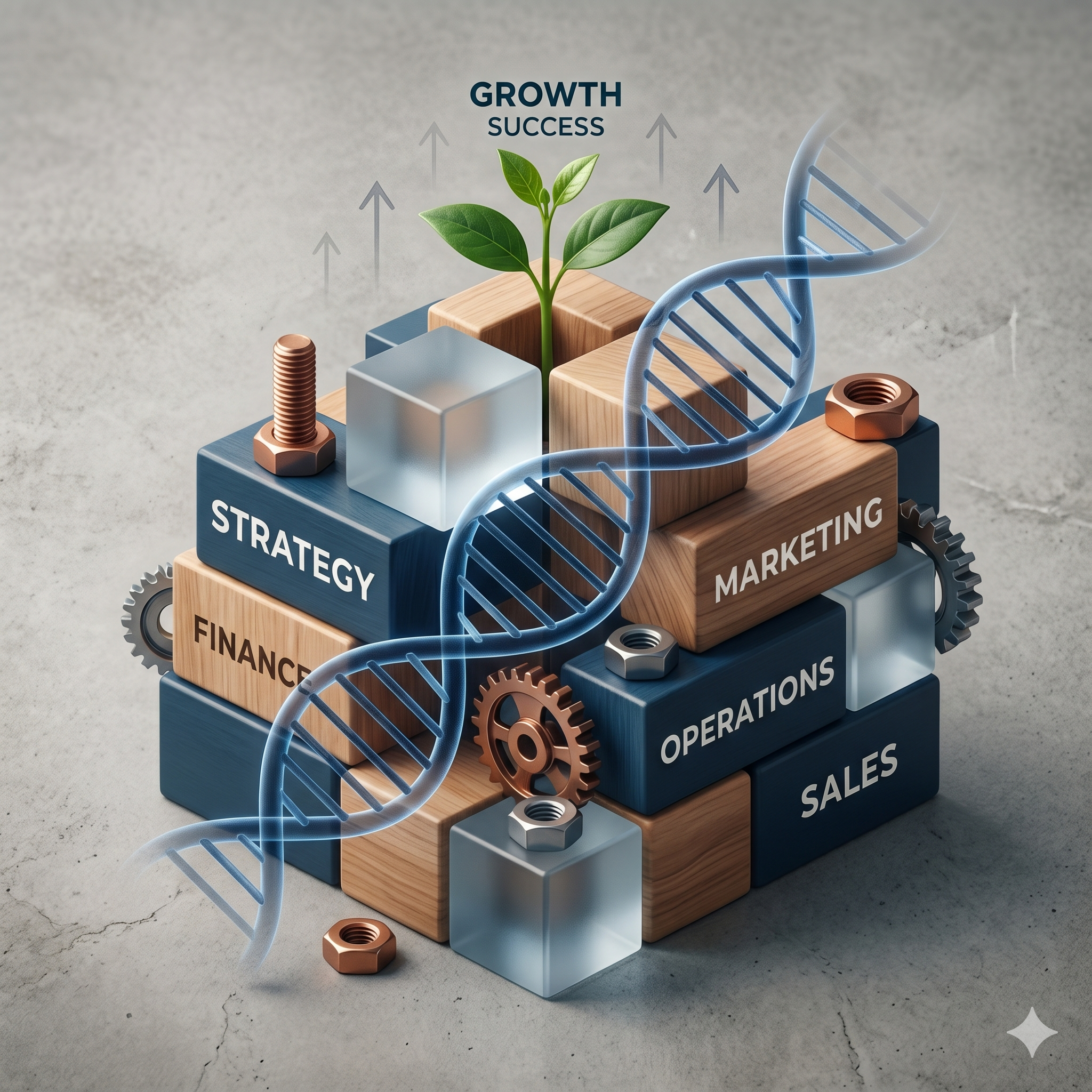
From effective management and operational efficiency to small business growth and long-term planning, mastering the basics provides the foundation on which to build a thriving business. But overlook these essentials and you risk making costly mistakes, stunting your startup's growth, and losing sight of your work-life balance.
Whether you're an aspiring entrepreneur seeking startup advice or a seasoned businessperson looking to fine-tune your strategy, this blog is for you. By investing in training, engaging with customers, and developing a sound business strategy, you too can create a legacy of financial success and fulfillment. Let's embark on this journey together, one fundamental at a time.
Introduction to The Basics In Business
When we talk about the basics, we are referring to the essential aspects that breathe life into a business. Think of them as the building blocks or the DNA of your company. They are the nuts and bolts that hold your venture together, guiding its growth.
Defining Business Practices
This encompass the core aspects of operations, including finance, marketing, strategy, and human resources. It's all about researching the market, knowing your customers, setting clear objectives, managing resources effectively, and being able to make sound decisions. No matter the size or type of your company, these elements remain constant.
"Business fundamentals are the compass that guides a company towards its goals."
Exploring the Importance of Understanding Your Trade Inside Out

Why is being knowledgeable in your own field so important? Well, for starters, it provide a roadmap to success. By learning, you can navigate the rough seas of commerce with confidence, and steer your future towards growth and profitability.
Decision Making: It equips you with the tools to make informed decisions. Whether it's adjusting pricing strategies, investing in new technology, or recruiting talent, knowing what you do well can guide your decision-making process.
Longevity: A solid grasp fosters sustainability. It's not just about making quick profits, it's about laying the groundwork for achievements. This includes planning for contingencies, managing risks, and adapting to market changes.
Competitive Edge: Lastly, understanding gives you a competitive edge. In a world where companies come and go, those with a strong understanding of their industry tend to survive and thrive.
The building blocks doesn't guarantee success, but it certainly increases the odds. It's like having a reliable compass in an unpredictable market.
The Roadmap for Beginners

When you're starting a company, it's like embarking on a journey. You need a map to guide you, and that's where the business fundamentals comes in. These are the key elements that set the stage for your startup's future.
The Role of Keeping Everything Structured
Imagine trying to build a house without a structure. It might stand for a while, but eventually, it will crumble. The same is true for your startup. Without a strong base, everything starts to struggle down the line.
The primary role of maintaining your base of operations is to provide a solid foundation for your startup. They include aspects like understanding your target market, honing your unique selling proposition, and crafting a robust model. Knowing these elements can help you stay focused and make informed decisions as you navigate your entrepreneurial journey.
Common Misconceptions about Starting a Business
Some people think that because they have a great product or an innovative idea, they can bypass the basics. But this isn't the case.
"No matter how good your idea is, it wouldn't fly if you skip the fundamentals."
One common misconception is that following a well-thought out mission is only for large corporations. But whether you're running a small startup or a multinational corporation, sticking to your goals are crucial for succeeding.
Another misconception is that missions are set in stone and do not evolve. However, as the market changes, your understanding and application of your mission should also adapt.
How Learning Your Trade Contributes to Growth

Just like a building needs a strong foundation, a business requires solid structure for sustainable improvements. Your base of operations lays the groundwork for effective decision-making, strategic planning, and risk management.
For example, your market (i.e., your customers and competitors) can help you identify opportunities for innovation and growth. Knowing your financials inside and out allows you to make informed decisions about investments and budgeting. And let's not forget about the importance of effective communication and leadership skills as they're key to motivating your team and driving your goals forward.
Case Studies of Successful Companies that Simplified
Let's take a look at some real-life examples of companies that have flourished thanks to their in depth, simplified operations.

Consider the success story of Starbucks. Since its inception, the company has been keenly focused on customer experience and product quality, two key aspects of any business. This focus has allowed Starbucks to become a global leader in the coffee industry, serving millions of customers around the world every day.
Another great example is Amazon. From the get-go, Amazon has placed a huge emphasis on customer service and logistical efficiency. These practices have allowed them to dominate the online retail space and continue to innovate with new services and products.
In both cases, the companies didn't just understand the basics, they mastered them.
Remember, there's no one-size-fits-all approach to growth. Every experience is unique, with its own set of challenges and opportunities.
Mastering Business Fundamentals: A Wise Guide

Structure is crucial for any entrepreneur looking to achieve a difference. The journey might seem daunting at first, but with the right strategies and a practical approach, you can acquire these ideas and become an efficient achiever. Here's how:
Steps to Master Business Fundamentals
Research Your Market: Knowing your target audience and what they want is the first step towards growth. Conduct market research to understand what your potential customers need.
Know Your Product: Know your product or service inside out. This knowledge will help you sell it better and solve any problems that arise.
Keep Financial Management: Learn about profit and loss, balance sheets, and cash flow. These financial aspects are key to improvement.
Conclusion
In wrapping up, learning about your company in depth, is paramount for startups aiming to grow and create a legacy. The importance of focusing on the basics cannot be overstated for forging a path forward for you and goals.
Your Path to A Supportive Community

We understand that turning your passion into profit requires more than just a great idea, it demands a planned approach, consistent action, and the right resources. That's exact where our community delivers.
Connect with a thriving community of like-minded entrepreneurs, share experiences, gain valuable insights, and forge lasting professional relationships. Stop feeling alone in your journey and find your tribe, Click here to join the The Momentum Makers.




Mail
Facebook
LinkedIn
X
Pinterest
Reddit